
Hail damage repair is something many homeowners and vehicle owners don’t think about until it is too late.
After a storm, hail can leave behind hidden and visible damage that weakens roofs, dents cars, and causes long-term structural issues.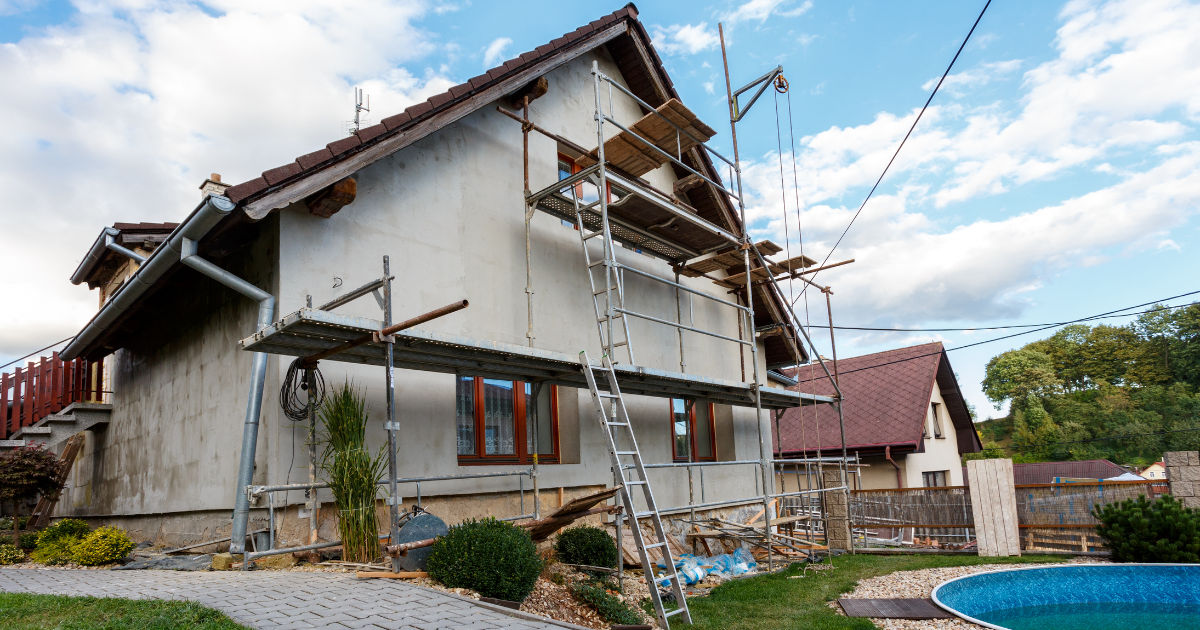
Knowing the early warning signs can save you money, prevent safety risks, and help you take action before the damage gets worse.
In this guide, you will learn how to recognize hail damage, what to look for on different surfaces, and when hail damage repair becomes necessary. The information is explained in a simple way so even a 12th-grade student can understand it easily.
Hail Damage
Hail is formed when strong storm winds push water droplets high into cold air, where they freeze into ice balls. These ice pieces fall at high speeds and can range from small pellets to golf ball-sized chunks.
Even small hailstones can cause serious damage over time. The impact may not always be obvious immediately, which is why hail damage repair is often delayed until problems become severe.
Common areas affected include:
- Roof shingles
- Car surfaces
- Windows and skylights
- Outdoor furniture
- Siding and paint
Understanding how hail affects materials is the first step in recognizing when hail damage repair is needed.
Visible Signs of Hail Damage on Property
After a hailstorm, there are several obvious indicators that you should never ignore. These visible signs are often the first clue that hail damage repair is required.
Dented Surfaces
One of the most common signs is dents. You may notice:
- Small round dents on metal surfaces
- Dents on gutters and downspouts
- Marks on air conditioning units
If these dents appear, it often means a professional hail damage repair inspection is necessary.
Chipped Paint or Coating
Hail can break protective layers on surfaces. This includes:
- Chipped car paint
- Flaking roof coatings
- Exposed metal underneath paint
Once the protective layer is damaged, rust or further deterioration can begin quickly without proper hail damage repair.
Broken or Cracked Materials
In stronger storms, hail can cause:
- Cracked windows
- Broken roof shingles
- Damaged plastic structures
These issues are clear indicators that immediate hail damage repair is required.
Signs of Hail Damage on Roofs
Roofs are one of the most vulnerable areas during a hailstorm. Many homeowners do not notice roof damage until leaks appear. That is why hail damage repair inspections are important after every major storm.
Bruised or Soft Shingles
When hail hits shingles, it can bruise them without breaking them completely. You may notice:
- Soft spots when pressed
- Dark patches on shingles
- Loss of granules
These signs mean the roof may need hail damage repair even if it looks fine from the ground.
Granule Loss
Roof shingles are covered with protective granules. Hail can knock these off, leading to:
- Bald spots on shingles
- Increased UV damage
- Faster aging of the roof
Granule loss is a strong warning that hail damage repair should not be delayed.
Water Leaks Inside the Home
If hail damage is severe, water may enter your home. Signs include:
- Ceiling stains
- Dripping water
- Mold growth
At this stage, hail damage repair becomes urgent to prevent structural issues.
Signs of Hail Damage on Vehicles
Vehicles are often exposed directly during storms, making them highly vulnerable. Recognizing damage early helps avoid expensive hail damage repair costs.
Small Dents on Body Panels
The most common sign is small dents on:
- Hood
- Roof
- Doors
- Trunk
These dents may look minor but still require professional hail damage repair.
Broken or Cracked Glass
Hail can crack or shatter:
- Windshields
- Side windows
- Mirrors
Even small cracks can spread, making hail damage repair essential immediately.
Damaged Paint Surface
Paint damage may include:
- Scratches
- Chips
- Faded patches
Without timely hail damage repair, rust can develop on exposed metal.
Hidden Signs of Hail Damage
Not all damage is easy to see. Some signs are hidden and only become noticeable later. This is why professional hail damage repair inspections are recommended.
Loose Roofing Material
Hail can loosen shingles or tiles without breaking them. This may lead to future leaks if hail damage repair is not done early.
Weak Structural Points
Repeated hail impact can weaken:
- Roof edges
- Corners of buildings
- Window frames
These weak points may fail during the next storm without proper hail damage repair.
Interior Moisture Problems
Even without visible leaks, moisture buildup may occur inside walls. Signs include:
- Musty smells
- Peeling wallpaper
- Damp drywall
These are indirect signals that hail damage repair is required.
Why Hail Damage Should Not Be Ignored
Ignoring hail damage can lead to long-term problems. Many people delay hail damage repair, thinking the damage is minor, but it often gets worse over time.
Increased Repair Costs
Small issues can turn into expensive repairs. For example:
- Minor roof damage can turn into full replacement
- Small car dents can lead to repainting entire panels
- Minor leaks can cause structural damage
Early hail damage repair saves money in the long run.
Safety Risks
Damaged structures may become unsafe:
- Weak roofs may collapse under pressure
- Broken glass can cause injuries
- Water damage can lead to mold growth
Proper hail damage repair reduces these risks significantly.
Reduced Property Value
Unrepaired hail damage can lower property value. Buyers may avoid homes or vehicles with visible damage. This makes timely hail damage repair essential for maintaining value.
When to Call a Professional for Hail Damage Repair
Not all damage is easy to handle on your own. You should contact a professional for hail damage repair when:
Damage Is Widespread
If multiple areas are affected, such as roof, windows, and siding, professional hail damage repair is necessary.
You Notice Leaks or Water Damage
Water intrusion always requires expert attention. Delaying hail damage repair can worsen structural issues.
You Are Unsure About the Damage
Sometimes damage is not obvious. A professional inspection ensures proper hail damage repair is done before problems grow.
The Hail Damage Repair Process
Understanding how hail damage repair works helps you know what to expect.
Step 1: Inspection
Experts inspect:
- Roof condition
- Vehicle surfaces
- Structural elements
This determines the level of hail damage repair needed.
Step 2: Damage Assessment
They evaluate whether repairs or replacements are required. This step ensures accurate hail damage repair planning.
Step 3: Repair Work
Depending on damage:
- Roof patching or replacement
- Paintless dent removal for vehicles
- Window replacement
All steps focus on restoring condition through hail damage repair.
Step 4: Final Check
After repairs, a final inspection ensures everything is safe and complete.
How to Prevent Hail Damage
While you cannot stop hail, you can reduce damage risk and minimize future hail damage repair needs.
Install Protective Roofing
Use materials designed for impact resistance. This reduces the need for frequent hail damage repair.
Park Vehicles Safely
Keep cars in:
- Garages
- Covered parking
- Protective shelters
This helps avoid costly hail damage repair.
Regular Inspections
Check your property after every storm. Early detection reduces the extent of hail damage repair needed.
The Importance of Early Detection
Early detection is one of the most important factors in reducing costs and damage severity. The sooner you identify issues, the less extensive hail damage repair will be.
Signs like small dents, missing shingles, or water stains should never be ignored. Even minor damage can develop into major problems if hail damage repair is delayed.
Conclusion
Hailstorms can cause serious and often hidden damage to homes, vehicles, and other structures. Learning how to identify early warning signs is essential for preventing costly repairs and maintaining safety. From dents and cracked surfaces to hidden leaks and structural weaknesses, every sign plays an important role in determining when hail damage repair is needed.
The key takeaway is simple: do not ignore even small signs. Quick action ensures that hail damage repair remains affordable, effective, and less stressful. Regular inspections and timely maintenance can protect your property from long-term damage and preserve its value.
By staying alert and informed, you can respond quickly after any hailstorm and ensure proper hail damage repair is completed before problems grow worse.