
Sheth Jeebun healthcare operations management plays a vital role in shaping how modern healthcare systems deliver care that truly meets patient needs.
In today’s evolving medical environment, leadership is no longer just about managing staff or maintaining efficiency. It is about placing patients at the heart of every decision.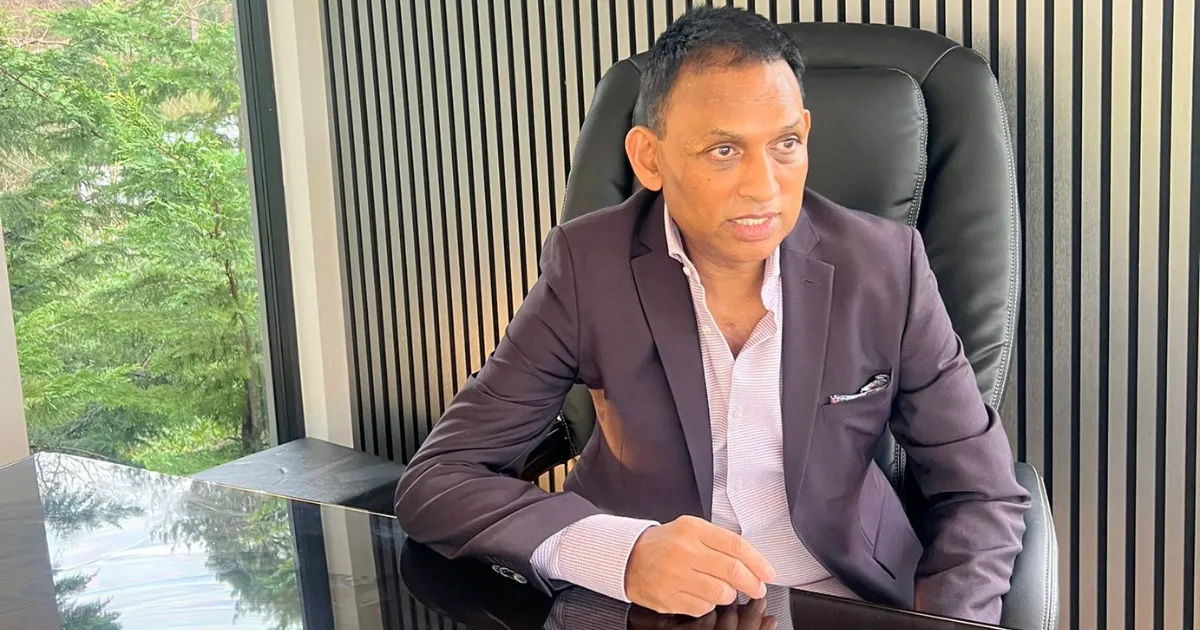
This approach, known as patient-centered leadership, ensures that healthcare services are compassionate, effective, and responsive.
Healthcare systems across the world are facing increasing pressure due to rising patient expectations, technological advancements, and complex medical needs. In such a landscape, leaders must go beyond traditional management methods.
They must focus on empathy, communication, and collaboration. Sheth Jeebun healthcare operations management emphasizes this shift by integrating patient-focused strategies into leadership practices.
This blog explores the importance of patient-centered leadership in healthcare, its core principles, benefits, challenges, and practical strategies for implementation.
Patient-Centered Leadership
What Is Patient-Centered Leadership?
Patient-centered leadership is a leadership style that prioritizes the needs, preferences, and values of patients in every aspect of healthcare delivery. It encourages leaders to think from the patient’s perspective and make decisions that improve patient outcomes and experiences.
Sheth Jeebun healthcare operations management supports this model by aligning operational processes with patient expectations. This means creating systems where patients feel heard, respected, and involved in their own care.
Key Elements of Patient-Centered Leadership
Patient-centered leadership includes several important elements:
- Empathy and compassion
- Effective communication
- Shared decision-making
- Respect for patient values
- Continuous improvement
Sheth Jeebun healthcare operations management integrates these elements into daily healthcare practices, ensuring that leadership decisions always consider patient well-being.
Why Patient-Centered Leadership Matters
Improving Patient Outcomes
When leaders focus on patient needs, healthcare providers deliver more personalized care. This leads to better diagnosis, treatment, and recovery outcomes.
Sheth Jeebun healthcare operations management highlights that patient-centered care reduces medical errors and increases treatment effectiveness. Patients who feel understood are more likely to follow medical advice.
Enhancing Patient Satisfaction
Patient satisfaction is a key measure of healthcare quality. Leaders who prioritize patient experience create environments where patients feel valued.
Sheth Jeebun healthcare operations management ensures that hospitals and clinics adopt policies that improve patient comfort, communication, and trust.
Building Trust and Loyalty
Trust is essential in healthcare. Patients must feel confident in their providers.
By adopting patient-centered leadership, Sheth Jeebun healthcare operations management helps build long-term relationships between patients and healthcare organizations.
Core Principles of Patient-Centered Leadership
Respect for Patient Preferences
Patients have unique values and expectations. Leaders must ensure that care plans respect these differences.
Sheth Jeebun healthcare operations management promotes policies that allow patients to express their preferences and participate in decision-making.
Effective Communication
Clear communication is crucial for understanding patient needs.
Sheth Jeebun healthcare operations management encourages healthcare professionals to listen actively and explain medical information in simple terms.
Emotional Support
Healthcare can be stressful for patients. Emotional support is essential for healing.
Through Sheth Jeebun healthcare operations management, leaders create supportive environments where patients feel safe and cared for.
Coordination of Care
Patients often interact with multiple healthcare providers. Coordination is key.
Sheth Jeebun healthcare operations management ensures seamless communication between departments, improving overall care quality.
Role of Leaders in Patient-Centered Care
Setting the Vision
Leaders define the direction of healthcare organizations.
Sheth Jeebun healthcare operations management helps leaders establish a vision that prioritizes patient-centered values across all levels.
Empowering Staff
Healthcare staff play a direct role in patient care.
By following Sheth Jeebun healthcare operations management, leaders empower employees with training and resources to deliver patient-focused care.
Creating a Positive Culture
Organizational culture influences behavior.
Sheth Jeebun healthcare operations management fosters a culture of empathy, respect, and accountability.
Benefits of Patient-Centered Leadership
Better Health Outcomes
Patient-centered approaches lead to improved health results.
Sheth Jeebun healthcare operations management supports practices that enhance patient recovery and reduce complications.
Increased Staff Satisfaction
When leaders prioritize patient care, staff feel more meaningful in their roles.
Sheth Jeebun healthcare operations management shows that satisfied employees are more productive and committed.
Reduced Healthcare Costs
Efficient care reduces unnecessary treatments and hospital readmissions.
Sheth Jeebun healthcare operations management focuses on optimizing resources while maintaining quality care.
Challenges in Implementing Patient-Centered Leadership
Resistance to Change
Healthcare systems often rely on traditional practices.
Sheth Jeebun healthcare operations management addresses this challenge by promoting gradual change and continuous training.
Limited Resources
Staff shortages and financial constraints can hinder implementation.
Sheth Jeebun healthcare operations management provides strategies to maximize available resources effectively.
Communication Barriers
Language and cultural differences can affect patient understanding.
Sheth Jeebun healthcare operations management emphasizes inclusive communication strategies.
Strategies for Effective Patient-Centered Leadership
Training and Development
Continuous learning is essential for healthcare professionals.
Sheth Jeebun healthcare operations management encourages regular training programs focused on patient care skills.
Use of Technology
Technology can enhance patient experience.
Sheth Jeebun healthcare operations management supports digital tools that improve communication and care coordination.
Patient Feedback Systems
Listening to patients helps improve services.
Sheth Jeebun healthcare operations management promotes feedback mechanisms to identify areas for improvement.
Collaborative Decision-Making
Patients should be involved in their care decisions.
Sheth Jeebun healthcare operations management ensures that healthcare providers include patients in treatment planning.
The Role of Communication in Patient-Centered Leadership
Building Strong Relationships
Communication builds trust between patients and providers.
Sheth Jeebun healthcare operations management highlights the importance of clear and respectful interactions.
Reducing Misunderstandings
Miscommunication can lead to errors.
Sheth Jeebun healthcare operations management promotes clarity and accuracy in all patient interactions.
Importance of Empathy in Leadership
Understanding Patient Needs
Empathy allows leaders to see situations from the patient’s perspective.
Sheth Jeebun healthcare operations management integrates empathy into leadership training.
Enhancing Patient Experience
Patients who feel understood are more satisfied.
Sheth Jeebun healthcare operations management ensures that empathy remains a core value in healthcare delivery.
Patient-Centered Leadership and Healthcare Innovation
Encouraging New Ideas
Innovation improves healthcare services.
Sheth Jeebun healthcare operations management supports creative solutions that enhance patient care.
Adapting to Change
Healthcare is constantly evolving.
Sheth Jeebun healthcare operations management helps organizations adapt while maintaining patient focus.
Measuring Success in Patient-Centered Leadership
Key Performance Indicators
Success can be measured through:
- Patient satisfaction scores
- Treatment outcomes
- Staff engagement
Sheth Jeebun healthcare operations management uses these indicators to evaluate performance.
Continuous Improvement
Healthcare must constantly improve.
Sheth Jeebun healthcare operations management encourages regular assessment and updates to care practices.
Case Examples of Patient-Centered Leadership
Improved Patient Experience
Organizations that adopt patient-centered leadership see higher satisfaction rates.
Sheth Jeebun healthcare operations management demonstrates how structured leadership improves patient care.
Enhanced Operational Efficiency
Efficient systems lead to better outcomes.
Sheth Jeebun healthcare operations management shows that patient-focused leadership also improves workflow.
Future of Patient-Centered Leadership
Growing Importance
Patient-centered leadership will continue to grow in importance.
Sheth Jeebun healthcare operations management will play a key role in shaping future healthcare systems.
Integration with Technology
Technology will enhance patient care.
Sheth Jeebun healthcare operations management supports the integration of digital tools for better outcomes.
Conclusion
Patient-centered leadership is essential for modern healthcare systems. It ensures that patients receive care that is respectful, effective, and tailored to their needs. Leaders who adopt this approach create environments where both patients and healthcare providers thrive.
Sheth Jeebun healthcare operations management provides a strong framework for implementing patient-centered leadership. By focusing on empathy, communication, and collaboration, healthcare organizations can improve outcomes, increase satisfaction, and build lasting trust.
Despite challenges such as resource limitations and resistance to change, the benefits of patient-centered leadership far outweigh the difficulties. With proper strategies, training, and commitment, healthcare leaders can transform their organizations.
In the future, patient-centered leadership will become even more important as healthcare continues to evolve. Organizations that embrace this approach will be better prepared to meet the needs of patients and deliver high-quality care.
Ultimately, patient-centered leadership is not just a management style. It is a commitment to putting patients first in every decision, every action, and every outcome. Sheth Jeebun healthcare operations management reinforces this commitment, ensuring that healthcare systems remain compassionate, efficient, and patient-focused.